
Cracks After a Hair Transplant: Why They Happens
Noticing cracks on your scalp after a hair transplant can be alarming, but it is a completely normal part of the healing process. Learn why these cracks form, how saline spray help
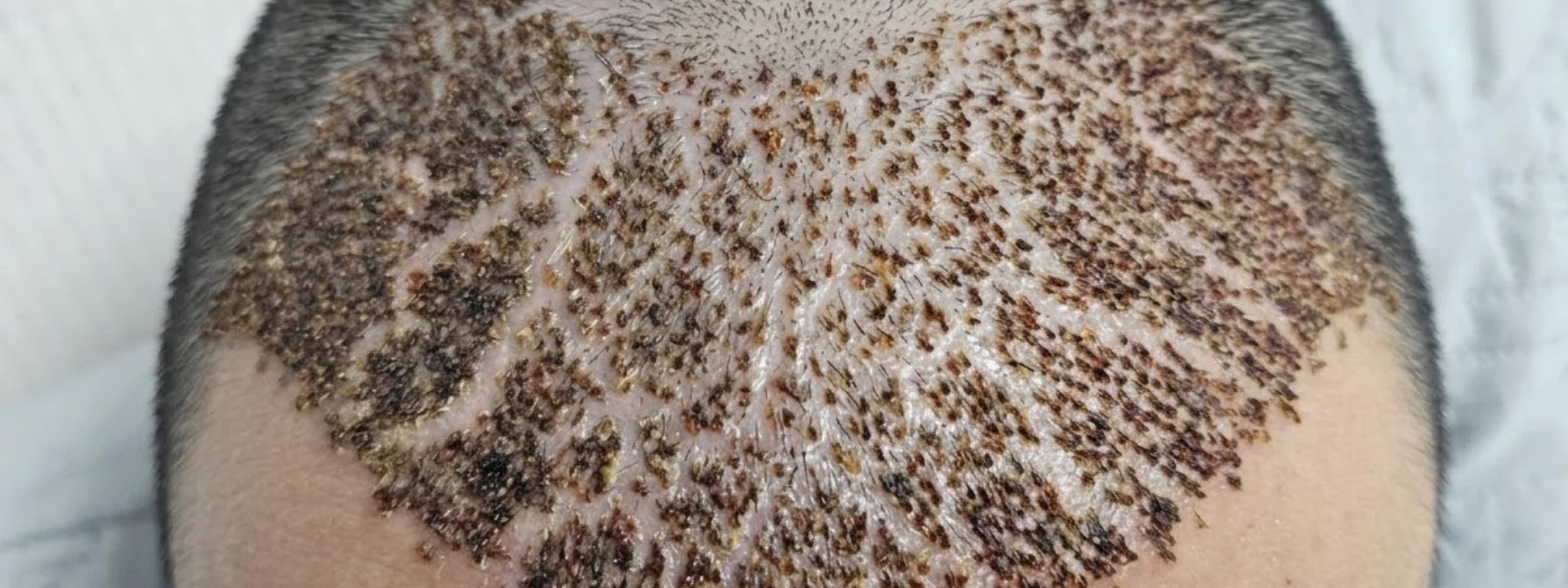
Understanding Scalp Cracks After Hair Transplant Surgery
If you recently had a hair transplant and noticed visible cracks or gaps forming across your scalp, do not panic. Seeing crack-like patterns on your recipient area can feel concerning, but it is a standard, temporary phase of the healing journey. These cracks do not mean your new hair follicles are damaged, nor will they negatively affect your final growth results.
Why Do Cracks Form on the Scalp?
During the first few days after your procedure, small micro-incisions heal by forming tiny scabs around each transplanted graft. As your skin naturally tightens and dries out, the scab layer contracts. When you move your facial muscles, talk, or smile, the tight scab layer naturally separates, creating visible lines or "cracks" across the area.
- Scalp Dryness: As the skin heals, it loses moisture and contracts, leading to fine surface cracks.
- Natural Facial Movements: Expressing emotions, talking, and laughing pull on the tight scabs.
- Healing Scabs: Cracks occur purely in the crust formed on top of the skin, not in the skin layers holding your grafts.
Cracks
Cracks occur entirely on the dried surface scabs, not deep in the tissue. Your transplanted hair follicles remain safe, secure, and undamaged underneath.
How to Manage Cracks: The Power of Saline Spray
The most effective way to minimize scalp cracking and keep your grafts hydrated is by using a saline spray consistently during your early recovery. Hydrating the scabs keeps them soft and pliable, which reduces surface tension and prevents deep cracking.
- Spray Regularly: Apply saline spray every 30 to 60 minutes during the first few days post-surgery (or as advised by your clinic).
- Keep It Moist: Hydrated scabs are softer, making the healing phase much more comfortable.
- Do Not Pick: Never scratch or pick at the cracking scabs. Let them soften with saline spray and wash away naturally during your scheduled washes.
Doctor's Note
This article is for patient education only. A consultation is recommended for personalised guidance. Individual results may vary and no medical guarantees are implied by any information provided here.
Related Articles
Explore more hair restoration education from Dr. Adnan Orakzai.

Have Questions About Your Hair Restoration Options?
Book a personal consultation or start a WhatsApp conversation — get guidance tailored to your situation.